Graphics for T-Shirt Designs: Some of You Don't Know What Happened To
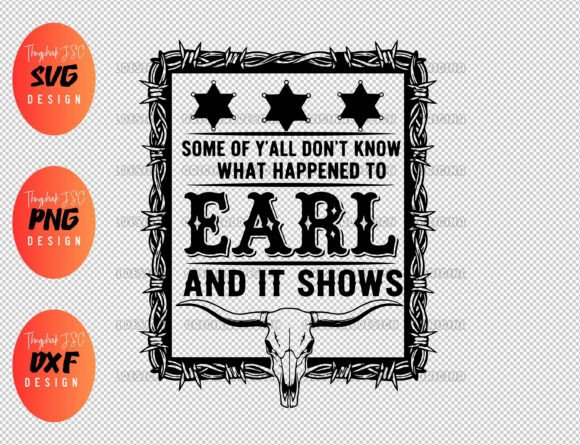
As a seasoned blog designer and digital publisher, I recently came across Some of You Don't Know What Happened To Earl SVG, Funny Country Song PNG, Dixie Chicks Quote, Southern Humor, Music Fan Gift 🎶😂🤠. This graphic design asset immediately caught my eye with its playful and relatable vibe, perfect for content creators looking to add a touch of humor and personality to their projects.
First Impressions and Editorial Mood
The first thing that struck me about Some of You Don't Know What Happened To is its strong, humorous tone. It’s the kind of graphic that can instantly set a light-hearted, engaging mood for any content it's used in. This makes it particularly suitable for lifestyle-focused, music, and entertainment blogs, where a bit of country charm and southern humor can go a long way.
Visual Communication and Reader Perception
Using Some of You Don't Know What Happened To in your content can significantly enhance visual communication. The bold, clear design elements and the witty quote make it a standout piece that can grab attention and leave a lasting impression. This is especially useful for creating featured images, Pinterest pins, and social media posts that need to be both eye-catching and memorable.
Real Publishing Applications
One of the most versatile aspects of Some of You Don't Know What Happened To is its adaptability across various publishing platforms. Here are some practical ways you can integrate this graphic into your content:
- Blog Featured Images: Use it as a header image for articles related to music, country culture, or funny anecdotes.
- Pinterest Graphics: Create visually appealing pins that can drive traffic to your blog or website.
- Website Banners: Add it to your homepage or specific category pages to set the right tone and attract visitors.
- Newsletter Graphics: Incorporate it into your email newsletters to add a fun, engaging element that keeps readers coming back.
- Digital Guides and Lead Magnets: Use it in downloadable resources like eBooks, worksheets, and other lead magnets to make them more appealing and shareable.
- Social Media Posts: Share it on platforms like Instagram, Facebook, and Twitter to boost engagement and reach.
Supporting Content Performance
By using Some of You Don't Know What Happened To, you can achieve several key benefits for your content:
- Stronger First Impression: The vibrant, humorous design can make your content stand out and capture the audience's attention from the get-go.
- Clearer Visual Hierarchy: The well-structured design elements help in organizing information and guiding the reader's eye through the content.
- Better Click-Through Potential: The engaging and relatable nature of the graphic can increase click-through rates, especially on social media and search engine results.
- Consistent Branding: Using such a distinctive graphic can help in building a consistent and recognizable brand identity across all your content.
- Improved Reader Trust: A polished and professional-looking graphic can enhance the overall quality of your content, making it more trustworthy and credible.
Optimal Placement and Usage
To get the most out of Some of You Don't Know What Happened To, consider these optimal placements:
- Hero Images: Perfect for the top of your blog posts or landing pages to set the tone and engage visitors.
- Article Thumbnails: Use it as a thumbnail for your articles to make them more clickable and shareable.
- Editorial Accents: Incorporate it into your editorial layouts to add a touch of humor and personality.
- Content Upgrades: Include it in your downloadable resources to make them more appealing and valuable.
- Category Visuals: Use it to represent specific categories or topics on your blog or website.
Cautious Usage
While Some of You Don't Know What Happened To is highly versatile, there are a few areas where it should be used with caution:
- Small Mobile Thumbnails: Ensure the graphic is still legible and impactful when viewed on smaller screens.
- Text-Heavy Blog Images: Avoid using it in places where it might compete with dense text, as it could overwhelm the layout.
- Low-Contrast Backgrounds: Make sure there is enough contrast between the graphic and the background to maintain readability.
- Busy Layouts: Use it in simpler, cleaner layouts to avoid visual clutter and ensure it stands out.
- Serious Professional Niches: Be mindful of using it in more serious or corporate contexts, as the playful tone might not align with the brand's image.
Publisher Notes and Best Practices
To ensure Some of You Don't Know What Happened To works seamlessly in your content, follow these best practices:
- Test on Desktop and Mobile Screens: Check how the graphic looks on different devices to ensure it’s responsive and visually appealing.
- Check Thumbnail Appearance: Preview it as a thumbnail to make sure it remains clear and impactful even at smaller sizes.
- Preview in Real Blog Layouts: See how it fits into your existing blog design to maintain a cohesive look.
- Test with Headline Text: Experiment with different headline fonts and styles to find the best match for the graphic.
- Check Contrast and Readability: Ensure the graphic has good contrast and is easy to read against various backgrounds.
- Try in Black and White: Test the graphic in monochrome to see if it retains its impact and clarity.
- Review File Size: Compress the graphic to an appropriate file size for web use to ensure fast loading times.
- Confirm Commercial Licensing: Before using the graphic in monetized content, verify that you have the necessary commercial license.
In conclusion, Some of You Don't Know What Happened To is a fantastic graphic design asset that can add a lot of value to your content publishing projects. Its playful and engaging nature makes it ideal for a wide range of applications, from blog graphics and social media posts to digital guides and lead magnets. By following the best practices and being mindful of its placement, you can create a more visually appealing and effective content experience for your audience.